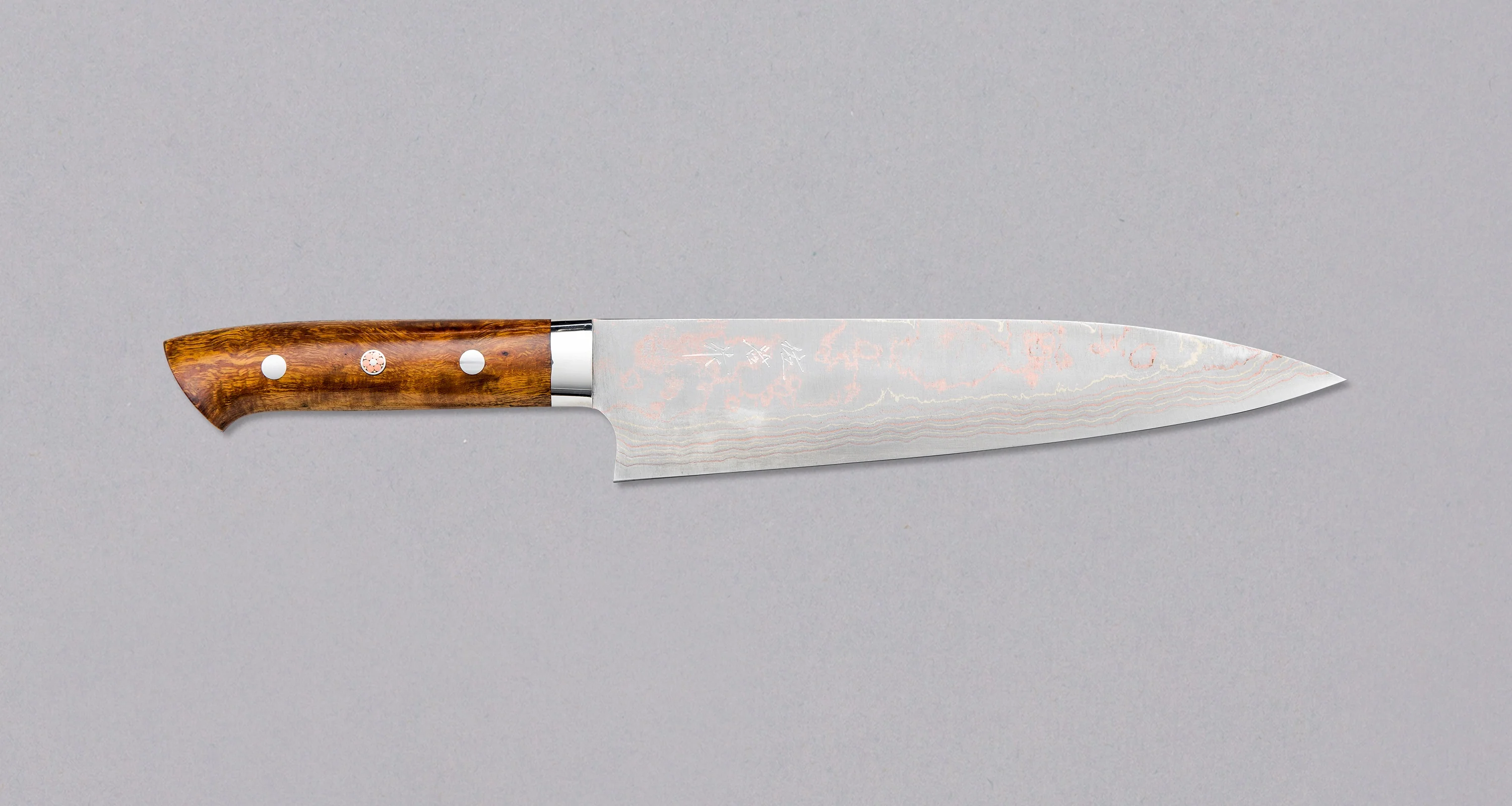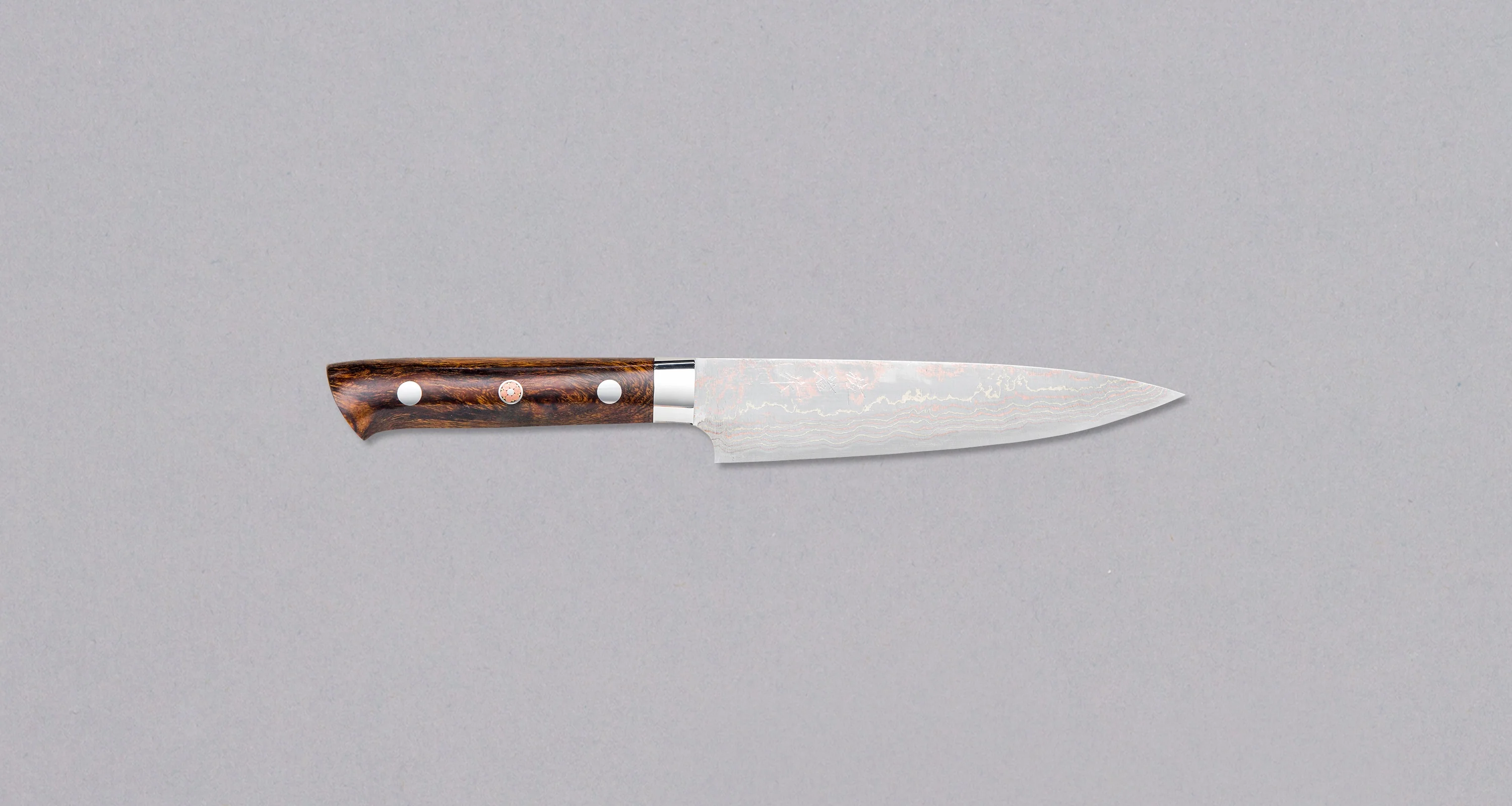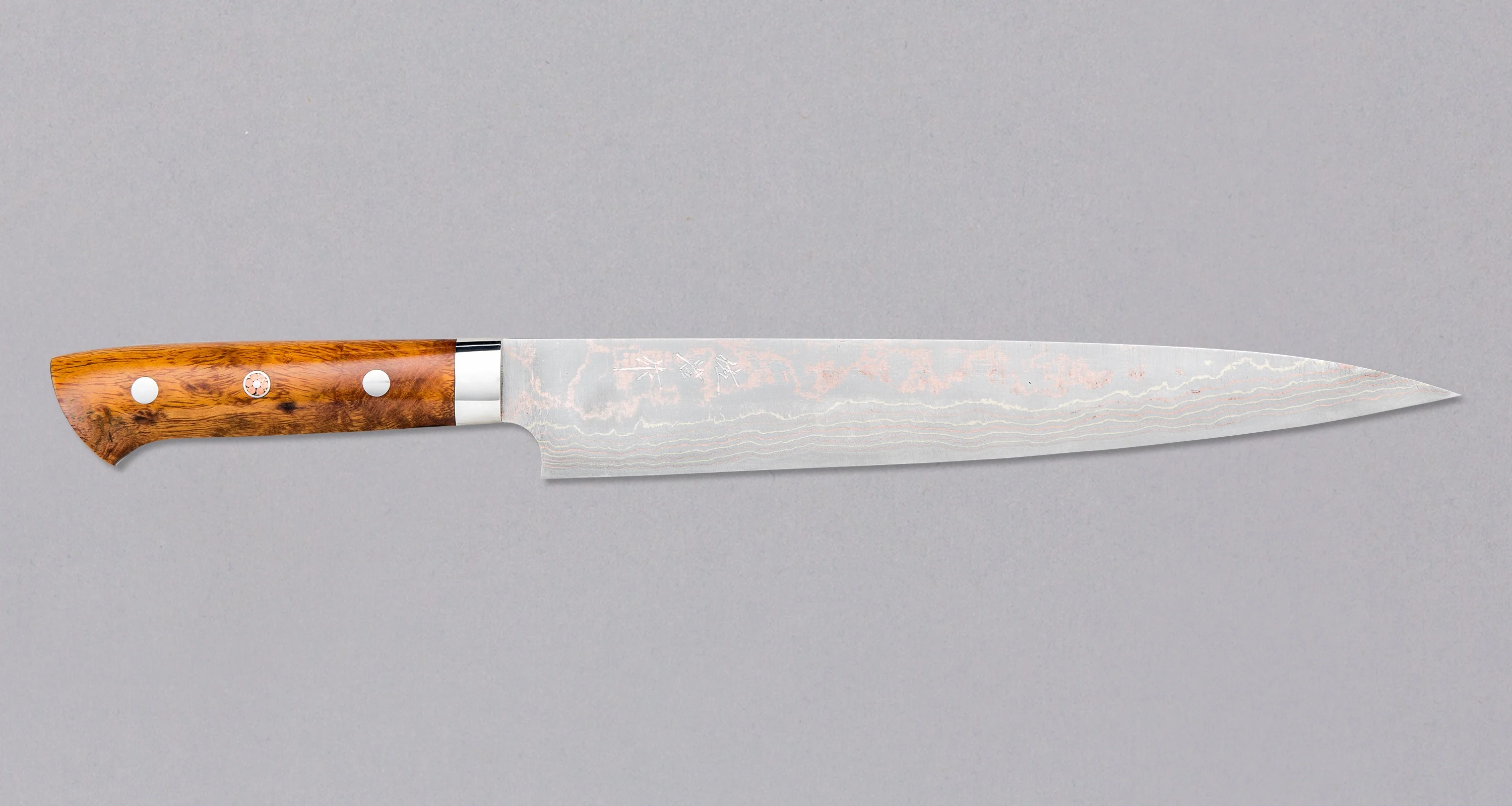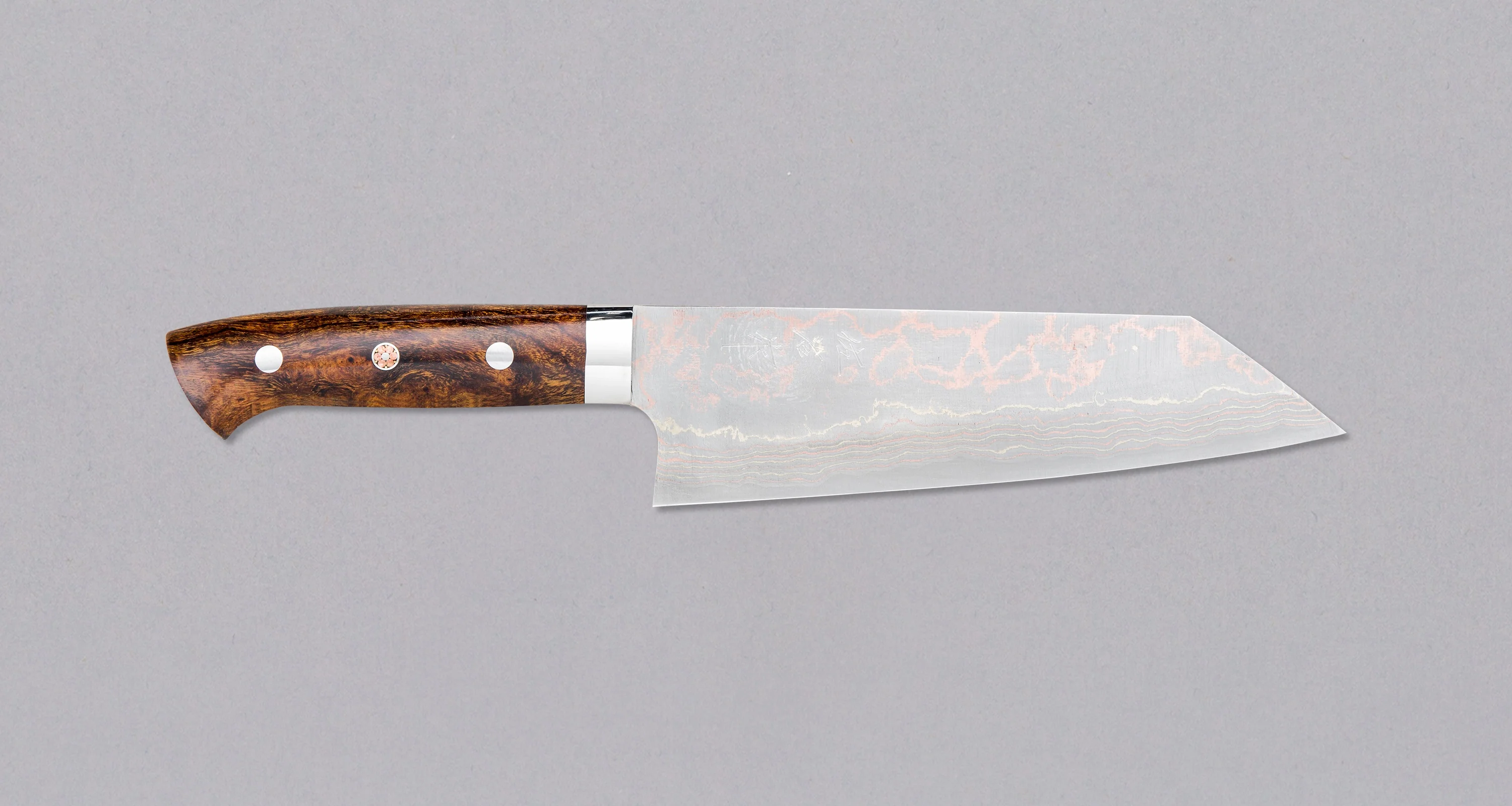
Kai Shun Seki Magoroku Red Wood Usuba 165mm (6.5")
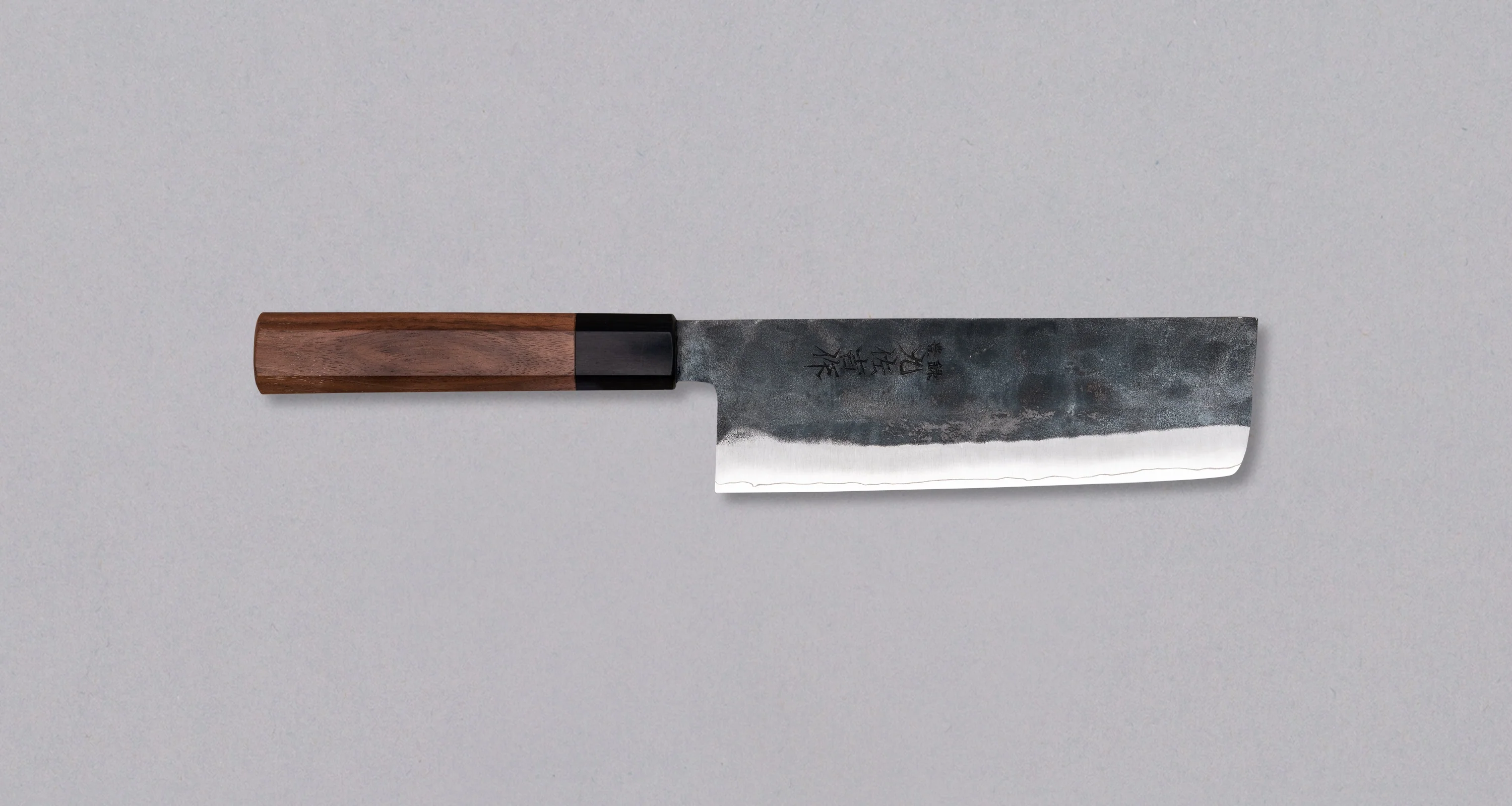
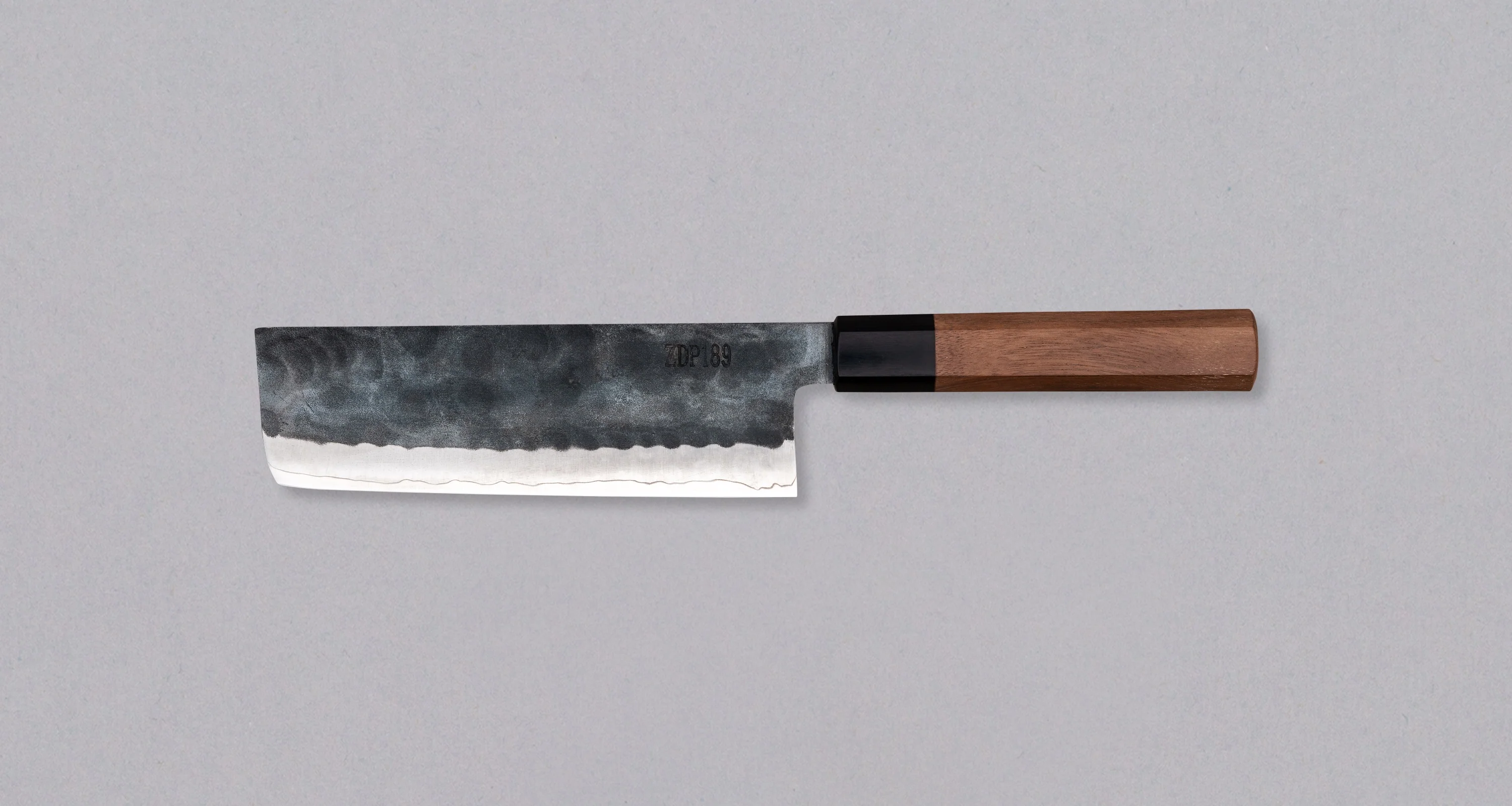
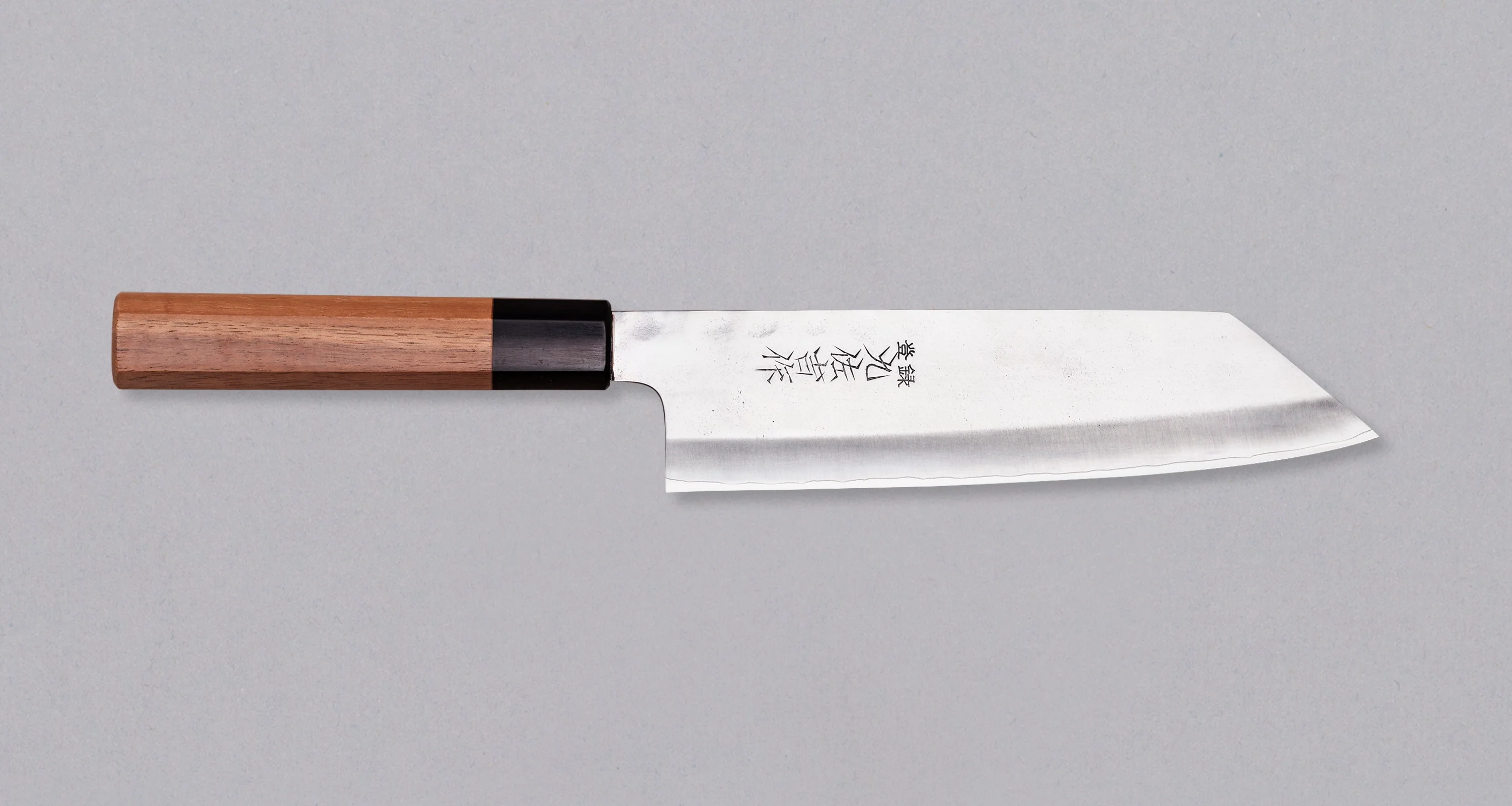
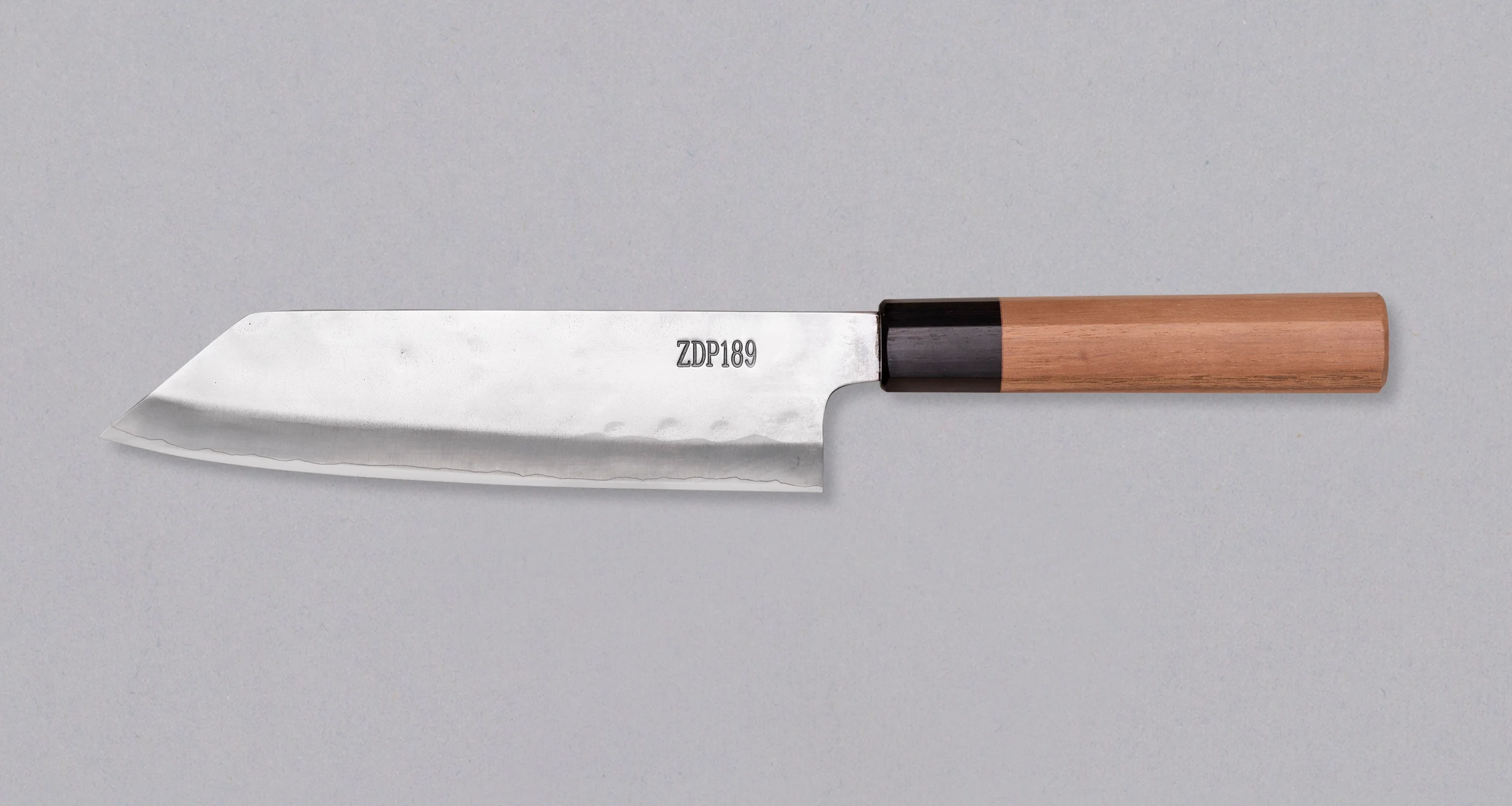
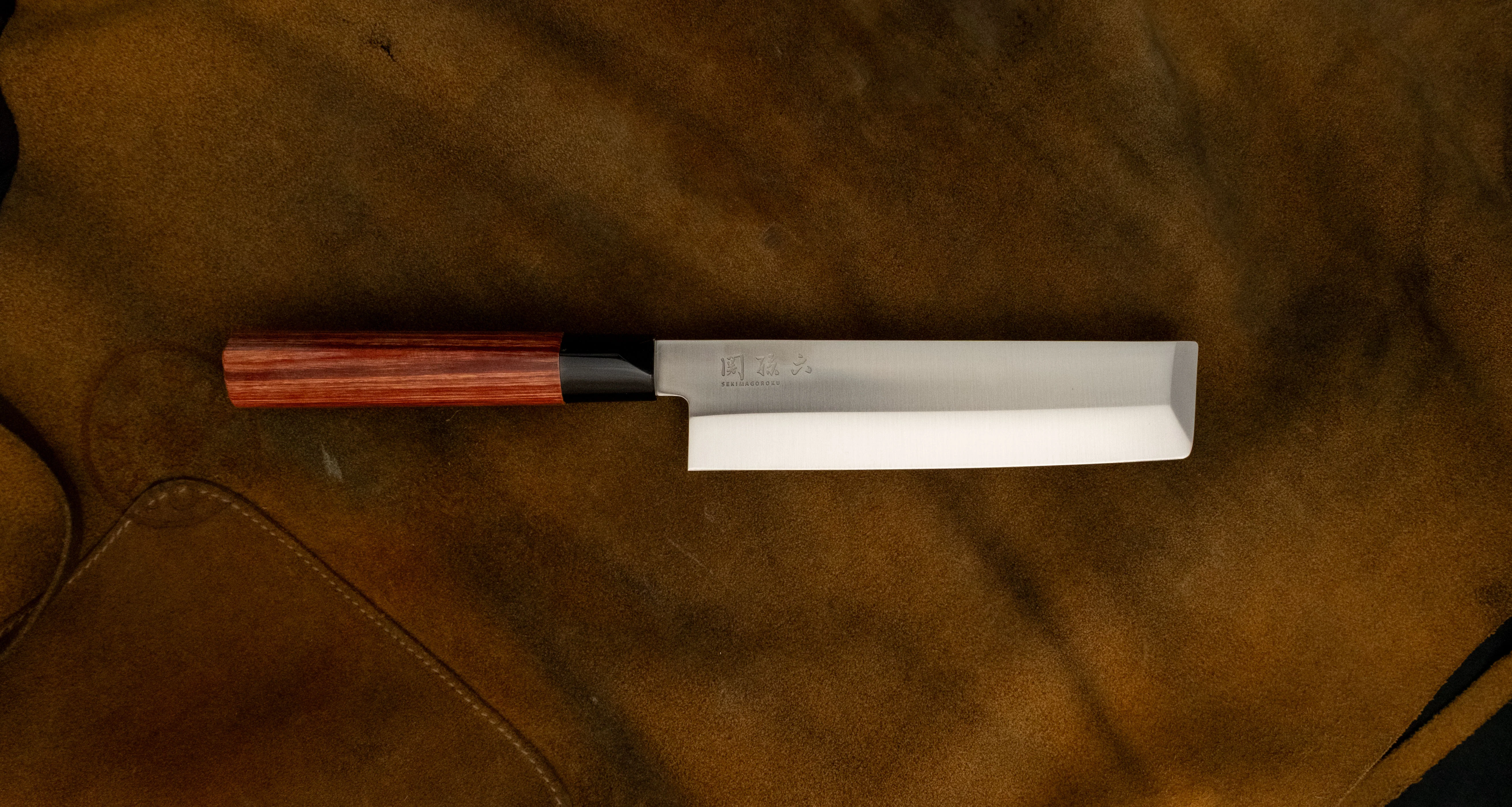
Kai Shun Seki Magoroku Red Wood Usuba 165mm is a traditional Japanese vegetable knife with a minimalist design, long-lasting sharpness, and an accessible price. Robust and dependable, this knife easily handles heavy use without compromising edge retention or blade stability.
Its clean and simple design makes it perfect for home cooks and professional kitchens, and it also makes a great gift. Even though it’s in the budget-friendly segment, its build quality and precise cutting performance rival much more expensive Western-style knives.
BLADE SHAPE:
In Japanese, "Usuba" means "thin," which is an appropriate description of this knife designed for preparing vegetables, where a thin blade is essential. When cutting firm vegetables such as carrots, it is important that the blade cuts instead of splitting, as can often happen with thicker knives.
The single-bevel blade enables precise chopping of vegetables on the kitchen board, and due to its height and straight edge, it can also be used for peeling larger tuberous vegetables, such as daikon, into long and thin slices. This process is called “katsuramuki” and is one of the most difficult and complex Japanese cutting techniques.
STEEL:
The polished blade is made from newly developed corrosion-resistant 6A/1K6 steel, hardened to 58 (±1) HRC, offering a perfect balance of sharpness, edge retention, and easy maintenance. Its slightly curved spine ensures a secure grip for precise slicing and rocking motions.
LAMINATION:
Ni-mai lamination method is used on single-bevel knives, where a sheet of softer metal is forge-welded onto the shinogi (front) side of the blade’s hard core. This reinforces the blade’s structural integrity and consequently makes it tougher.
BLADE FINISH:
The knife features a migaki polished finish with the series’ kanji engraving: Seki: 関, Mago: 孫, Roku: 六.
HANDLE:
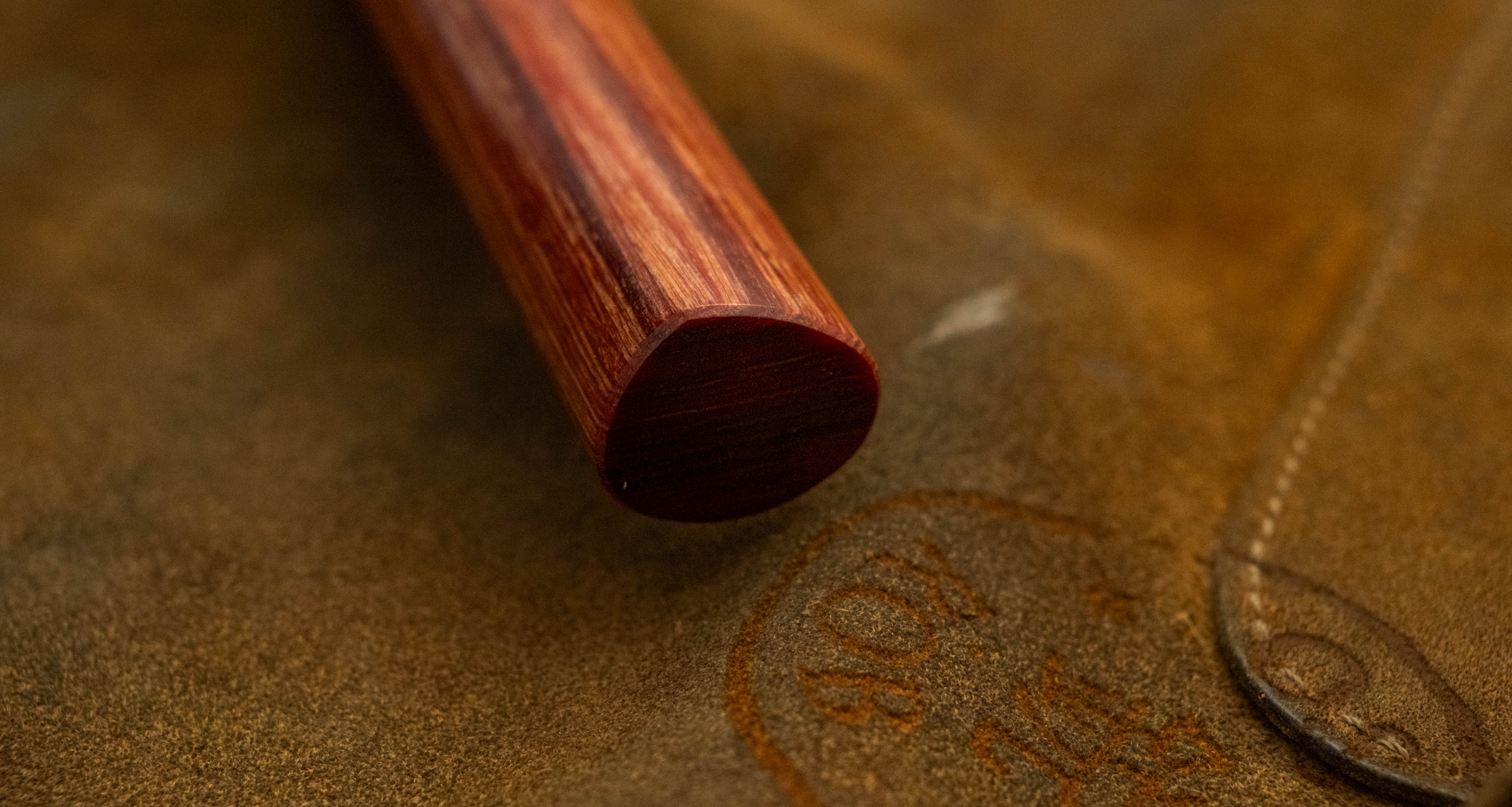
The slim and elegant handle is made from durable pakkawood, shaped in the traditional Japanese chestnut (D-shape) design, and slightly offset to the right from the center of the blade, making it ideal for right-handed users. Resin added to the wood enhances moisture resistance and long-term durability. A small rim on the right side provides a secure and comfortable pinch-grip, preventing hand slippage during cutting. The integrated tang ensures stability and excellent balance for the knife.
SMITHY:
For over 115 years, KAI has combined centuries-old Japanese blacksmithing traditions with modern innovation, producing knives renowned for their precision, durability, and elegant design.
Original: $85.00
-65%$85.00
$29.75More Images



Kai Shun Seki Magoroku Red Wood Usuba 165mm (6.5")
Kai Shun Seki Magoroku Red Wood Usuba 165mm is a traditional Japanese vegetable knife with a minimalist design, long-lasting sharpness, and an accessible price. Robust and dependable, this knife easily handles heavy use without compromising edge retention or blade stability.
Its clean and simple design makes it perfect for home cooks and professional kitchens, and it also makes a great gift. Even though it’s in the budget-friendly segment, its build quality and precise cutting performance rival much more expensive Western-style knives.
BLADE SHAPE:
In Japanese, "Usuba" means "thin," which is an appropriate description of this knife designed for preparing vegetables, where a thin blade is essential. When cutting firm vegetables such as carrots, it is important that the blade cuts instead of splitting, as can often happen with thicker knives.
The single-bevel blade enables precise chopping of vegetables on the kitchen board, and due to its height and straight edge, it can also be used for peeling larger tuberous vegetables, such as daikon, into long and thin slices. This process is called “katsuramuki” and is one of the most difficult and complex Japanese cutting techniques.
STEEL:
The polished blade is made from newly developed corrosion-resistant 6A/1K6 steel, hardened to 58 (±1) HRC, offering a perfect balance of sharpness, edge retention, and easy maintenance. Its slightly curved spine ensures a secure grip for precise slicing and rocking motions.
LAMINATION:
Ni-mai lamination method is used on single-bevel knives, where a sheet of softer metal is forge-welded onto the shinogi (front) side of the blade’s hard core. This reinforces the blade’s structural integrity and consequently makes it tougher.
BLADE FINISH:
The knife features a migaki polished finish with the series’ kanji engraving: Seki: 関, Mago: 孫, Roku: 六.
HANDLE:
The slim and elegant handle is made from durable pakkawood, shaped in the traditional Japanese chestnut (D-shape) design, and slightly offset to the right from the center of the blade, making it ideal for right-handed users. Resin added to the wood enhances moisture resistance and long-term durability. A small rim on the right side provides a secure and comfortable pinch-grip, preventing hand slippage during cutting. The integrated tang ensures stability and excellent balance for the knife.
SMITHY:
For over 115 years, KAI has combined centuries-old Japanese blacksmithing traditions with modern innovation, producing knives renowned for their precision, durability, and elegant design.
Product Information
Product Information
Shipping & Returns
Shipping & Returns
Description
Kai Shun Seki Magoroku Red Wood Usuba 165mm is a traditional Japanese vegetable knife with a minimalist design, long-lasting sharpness, and an accessible price. Robust and dependable, this knife easily handles heavy use without compromising edge retention or blade stability.
Its clean and simple design makes it perfect for home cooks and professional kitchens, and it also makes a great gift. Even though it’s in the budget-friendly segment, its build quality and precise cutting performance rival much more expensive Western-style knives.
BLADE SHAPE:
In Japanese, "Usuba" means "thin," which is an appropriate description of this knife designed for preparing vegetables, where a thin blade is essential. When cutting firm vegetables such as carrots, it is important that the blade cuts instead of splitting, as can often happen with thicker knives.
The single-bevel blade enables precise chopping of vegetables on the kitchen board, and due to its height and straight edge, it can also be used for peeling larger tuberous vegetables, such as daikon, into long and thin slices. This process is called “katsuramuki” and is one of the most difficult and complex Japanese cutting techniques.
STEEL:
The polished blade is made from newly developed corrosion-resistant 6A/1K6 steel, hardened to 58 (±1) HRC, offering a perfect balance of sharpness, edge retention, and easy maintenance. Its slightly curved spine ensures a secure grip for precise slicing and rocking motions.
LAMINATION:
Ni-mai lamination method is used on single-bevel knives, where a sheet of softer metal is forge-welded onto the shinogi (front) side of the blade’s hard core. This reinforces the blade’s structural integrity and consequently makes it tougher.
BLADE FINISH:
The knife features a migaki polished finish with the series’ kanji engraving: Seki: 関, Mago: 孫, Roku: 六.
HANDLE:
The slim and elegant handle is made from durable pakkawood, shaped in the traditional Japanese chestnut (D-shape) design, and slightly offset to the right from the center of the blade, making it ideal for right-handed users. Resin added to the wood enhances moisture resistance and long-term durability. A small rim on the right side provides a secure and comfortable pinch-grip, preventing hand slippage during cutting. The integrated tang ensures stability and excellent balance for the knife.
SMITHY:
For over 115 years, KAI has combined centuries-old Japanese blacksmithing traditions with modern innovation, producing knives renowned for their precision, durability, and elegant design.